Turn asset data into
better risk
insight and
improved performance.

APP’s managed platform brings inspection data, operating data,
and asset knowledge into a more usable view, helping owner teams
identify emerging risks, improve planning, refine scopes of work,
and act before issues lead to downtime.

APP’s managed platform brings inspection data, operating data, and asset knowledge into a more usable view, helping owner teams identify emerging risks, improve planning, refine scopes of work, and act before issues lead to downtime.
The Data Gap

Asset data exists. Turning it
into reliable decision support
is the hard part.

Most assets already produce large volumes of operating, inspection and event data. The problem is that this information is often scattered across systems, reports, and manual processes, making it difficult for owner teams to see where performance is degrading, where risk is building and which actions should be prioritised.

Inspection

Inspection, operating, and event data held in separate systems and formats

Limited Visibility

Limited visibility of asset condition, performance trends, and intervention impact.

Valuable Asset Info

Valuable asset information that exists, but does not reach the team as usable, decision-ready insight
WHY APP?

Built by asset specialists who know what data must prove.

Sites worldwide
0 +
Inspection techniques
0 +
Logged failure events
0 +
Of inspection results
0 s
50+ boilers · 30+ steam turbines · 80+ generators · 100s of pressure vessels · 150+ large transformers · 100s of km of pipelines
APP Point of View

Monitoring shows what is happening. Asset health insight shows what needs attention.

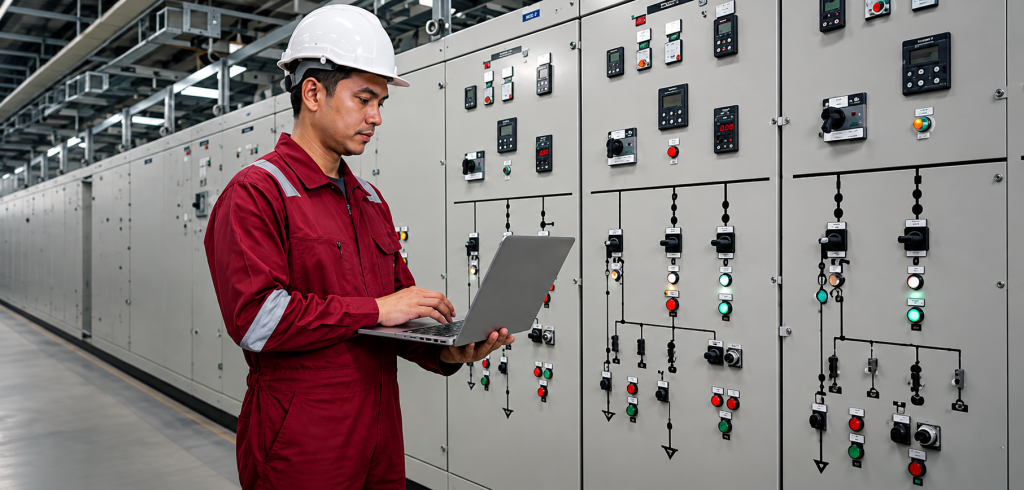
SCADA, BMS, and condition monitoring systems are important, but they mainly show the operating state. They do not always reveal the damage state of critical equipment, such as degradation, cracking, erosion, insulation ageing, or wear. APP combines operating data, inspection data, and asset knowledge to give owner teams a clearer view of asset health and failure risk.

Monitoring

Operating systems show live conditions such as temperatures, speeds, loads, output, and voltages. This is essential information, but it is only one layer of the asset picture.

Inspection

Physical inspection and test data reveal condition indicators that operating systems may not show, including material degradation, damage mechanisms, wear, corrosion, and insulation condition.

Prediction

Risk-based asset health modelling connects operating data, inspection evidence, and asset knowledge to help teams understand where failure risk is increasing and which interventions should be prioritised.

A stronger asset management system connects all three: monitoring, inspection,
and predictive risk insight.
Where monitoring has limits

Critical failure modes can develop
before alarms make them obvious.

Some of the most expensive asset failures do not announce themselves clearly through live
operating data. They often require inspection evidence, technical interpretation, and a system
that connects condition information with operating behaviour.

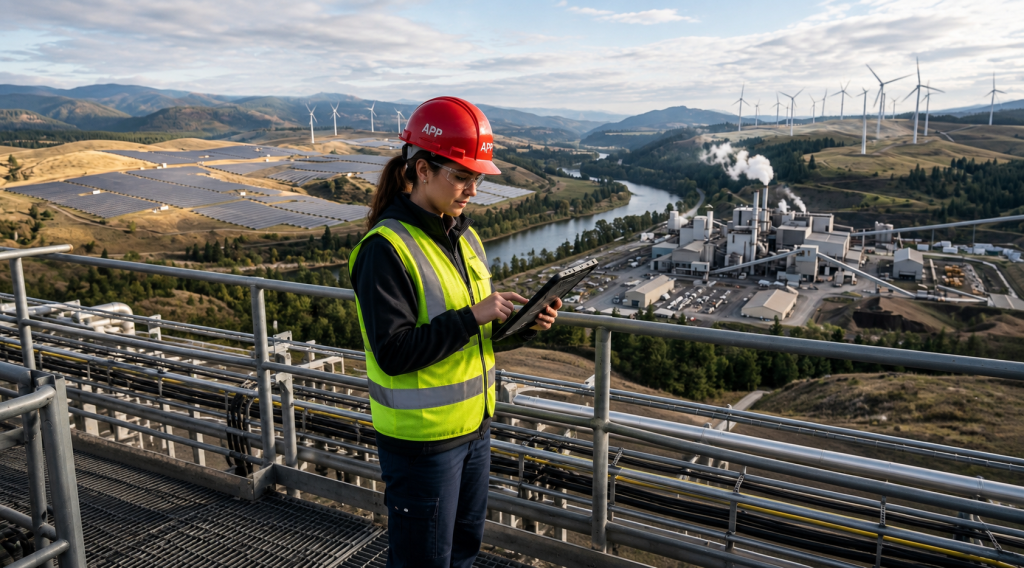
Wind

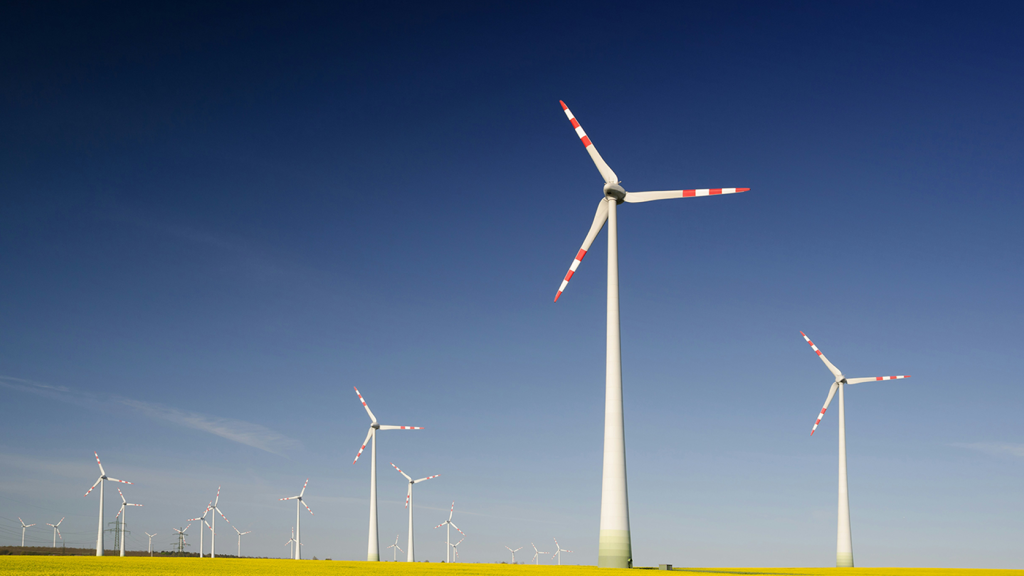
Blade erosion, internal structural damage, foundation issues, generator electrical condition, and gearbox wear can all affect long-term performance and risk. These issues often need inspection data and engineering interpretation alongside operating data.

Solar PV

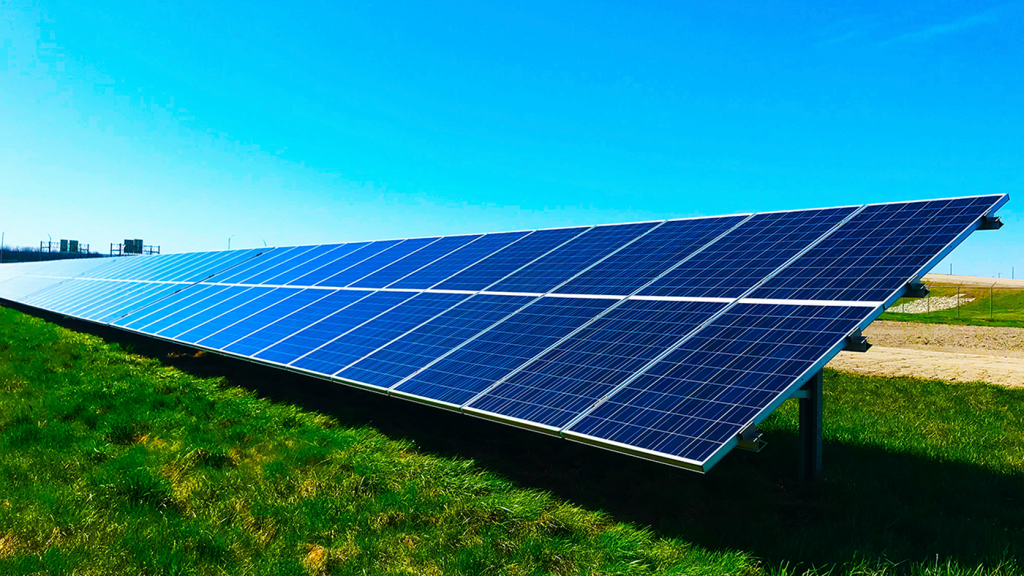
Module faults, cell damage, degradation, and electrical issues can reduce output while remaining difficult to assess from high-level operating data alone. Inspection techniques help reveal the condition details behind performance loss.

Battery storage (Conventional Power Plants)

Battery systems require visibility beyond headline operating signals. Cell behaviour, thermal risk, protection systems, and fire-safety readiness all need structured evidence and disciplined monitoring.

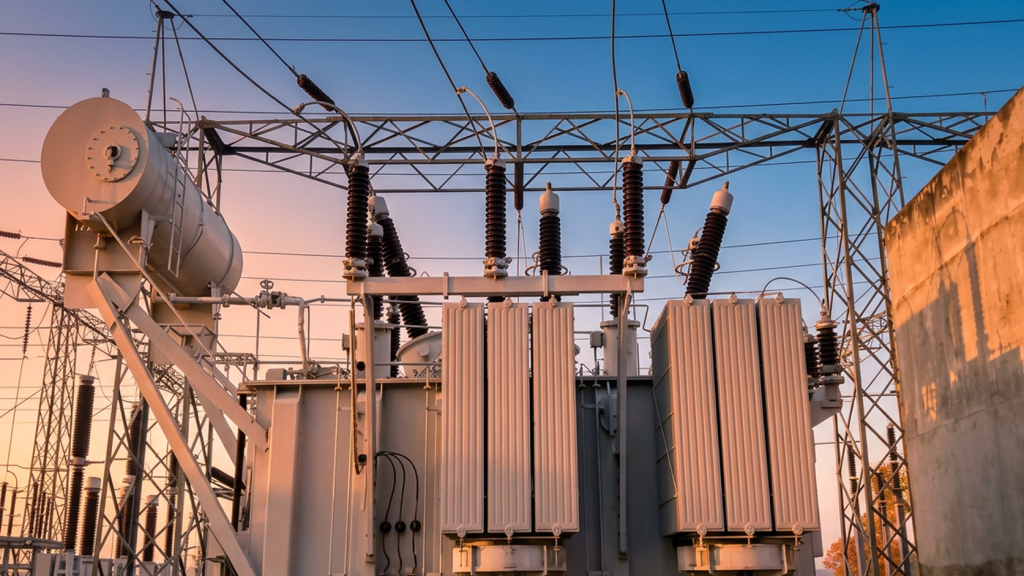
Step-up transformers

Transformer conditions can deteriorate even when operating data appear normal. Dissolved gas analysis, thermal inspection, breather condition, and related inspection evidence help reveal the asset’s true health.

How the platform is structured

A managed platform built around the asset, the risk, and the decision.

APP’s platform products can be configured around a specific asset, failure mode, or
performance problem. Owner teams can start with a base product and add specialised modules
as deeper analysis, workflow support, contractor oversight, or predictive insight is needed.

Base product

Each base product is configured around a defined asset or problem, such as a turbine, boiler, transformer, or major failure risk.

Add-ons

Specialised modules extend the base product with deeper analytics, risk-based scoping, anomaly detection, quality workflows, compliance support, or fleet-level visibility.

Focused on value

The platform is configured around the parts of the asset or plant where performance, reliability, or risk has the greatest commercial impact.

Configured by asset and risk priority

How the platform supports different
asset decisions.

How the platform supports different asset decisions.

APP platform products combine core functionality and specialised modules into
configurations tailored to the asset, the available data, and the decision-owner teams’
needs. These examples show three common applications.

APP platform products combine core functionality and specialised modules into configurations tailored to the asset, the available data, and the decision-owner teams’ needs. These examples show three common applications.

Wind - achieve 98% fleet availability

Gives owner teams a clearer view of turbine downtime, inspection inputs, event history, site performance, and critical equipment risk. This supports stronger O&M oversight, earlier risk identification, and better fleet-level performance decisions.

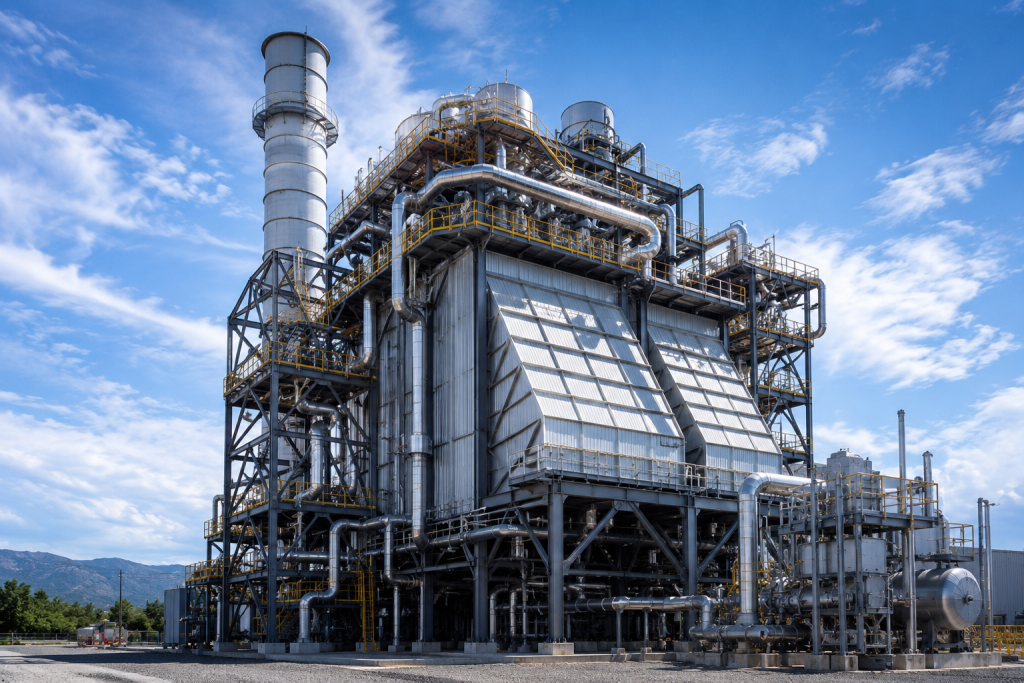
Boiler performance and reliability

Brings boiler inspection, operating, damage, and maintenance data into a structured view, helping teams understand underperformance and identify emerging failure risk, and connect findings to outage scopes and accountable actions.

APP RiskMitigator - see operational risk differently

Combines operating data, inspection evidence, and risk management inputs to help owner teams see where risk is building, what is being done about it, and how the asset’s risk position can be communicated to insurers, lenders, and boards.

Base Products

Base products configured around
specific assets and failure risks.

Each base product can stand alone, giving owner teams a focused view of an asset, component
family, or risk area. Start with the product that addresses the highest-value problem, then add
modules as the operating need grows.

APP WindMonitor

Consolidates events, SCADA and inspection data into fleet- and turbine-level performance and integrity views, helping owners strengthen O&M oversight, track downtime, and identify developing asset risks.

APP TurboScope

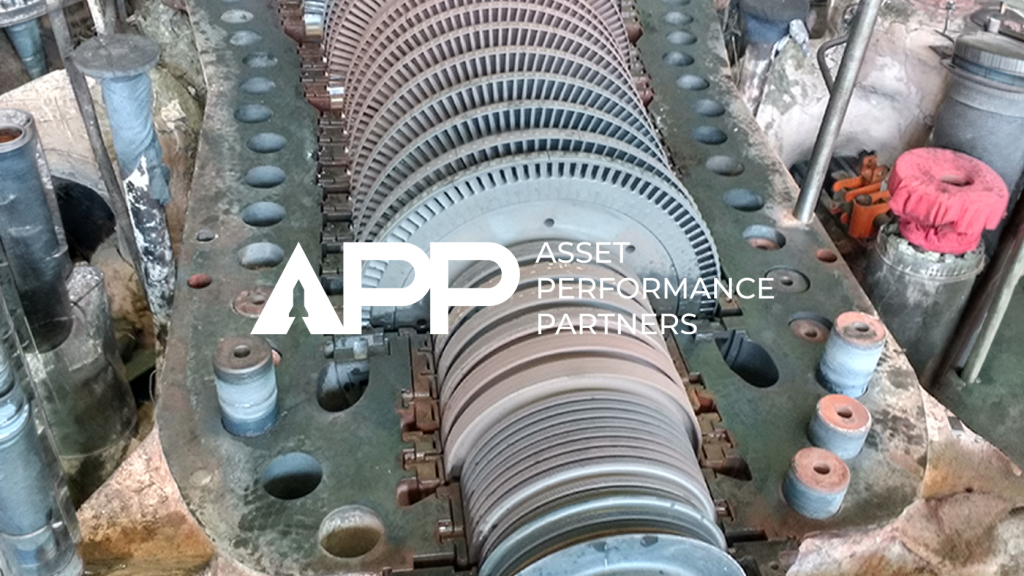
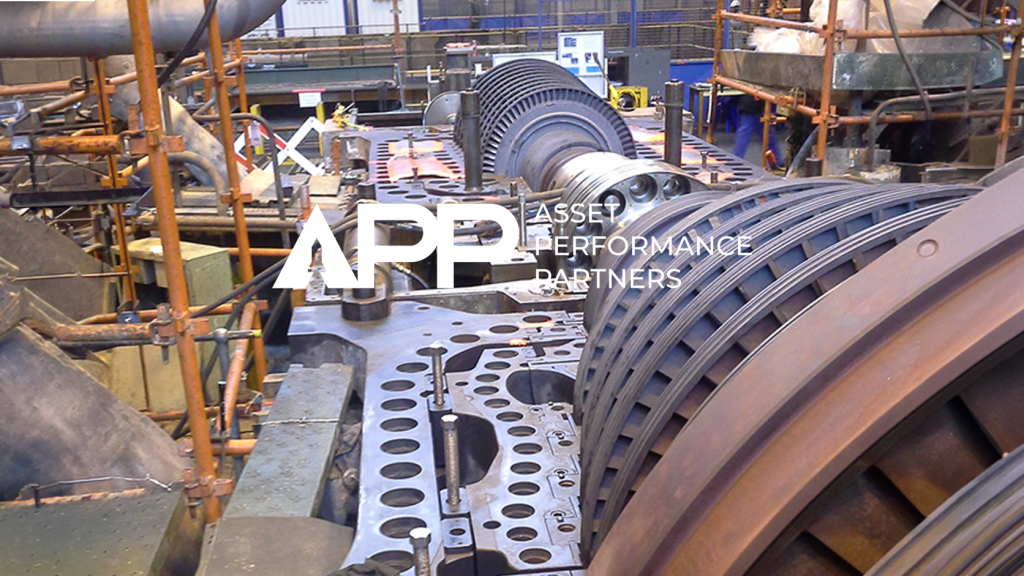
Supports steam turbine outage planning and execution by carrying previous findings into the scope of work, managing checksheets, and tracking new issues through to resolution.

Scope: TURBINE CENTRELINE AND OIL SYSTEM, GENERATOR ROTOR/STATOR, GEARBOXES
APP TurboMonitor

Monitors steam turbine performance and condition to support outage timing, helping teams understand when performance is holding and when intervention may need to be brought forward.

APP BoilerTubeManager

Supports boiler tube leak reduction through wall-thickness data, water chemistry, online monitoring, and tube leak event analytics.

APP BoilerScope

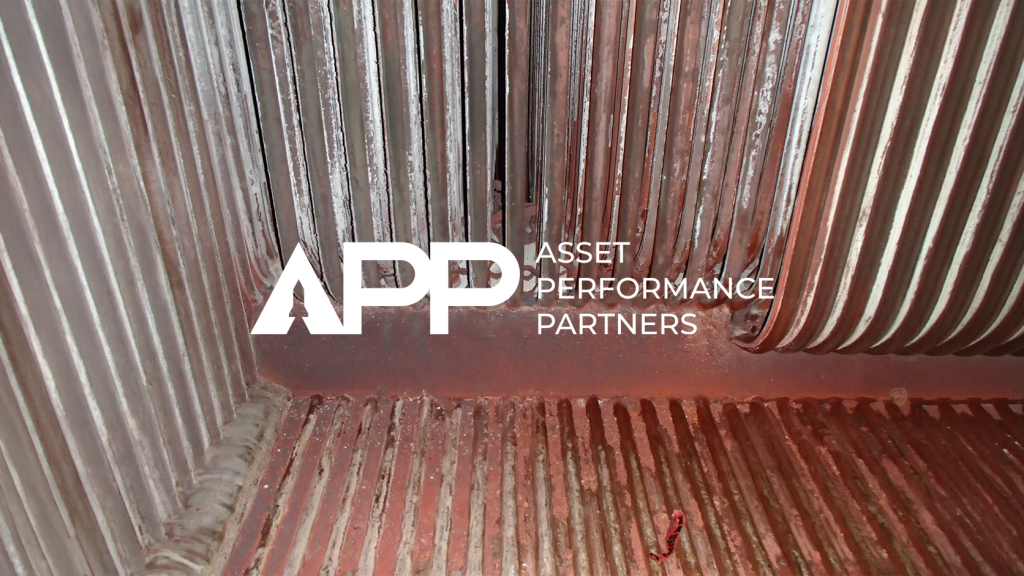
Supports boiler outage planning and execution with wall-thickness forecasting, pressure vessel data, overheating monitoring, water chemistry, and inspection quality sign-off.

APP BoilerMonitor

Combines SCADA and inspection data to track boiler performance and show how operating conditions are affecting integrity, including combustion, water chemistry, and related performance drivers.

APP TransformerMonitor

Supports transformer health management by combining DGA results, oil and temperature data, inspection records, and risk scoring across a single site or distributed fleet.

APP RiskMitigator

Combines inspection data, operating history, and risk inputs to produce failure-risk insight that owner teams can use in operational, board, lender, and insurance discussions.

APP GenMonitor

Provides specialised generator monitoring, combining partial discharge data and generator-specific inspection evidence to support visibility of rotor and stator condition.

ADD ONS

Specialised modules that extend
any base product.

Add-ons can be layered onto a base product to deepen analysis, strengthen
workflows, improve reporting, or extend visibility across a fleet.

APP FleetMonitor

Gives owner teams a consolidated portfolio view across sites, combining granular asset data with inspection, event, and risk insight to replace fragmented manual reporting.

APP AnomalyDetector

Uses machine learning models to identify short- and long-term anomalies, helping teams spot emerging issues that may fall below normal alarm thresholds.

APP DigitalTwin

Builds a digital representation of an asset or fleet, allowing performance, condition, and risk indicators to be compared and tracked over time.

APP Quality Manager

Supports inspection and outage quality workflows, including QCP creation, sign-offs, quality reporting, and tracking of out-of-spec findings.

APP ModelOps

Hosts and manages APP, client or third-party AI, and machine learning models, helping turn operational data into usable performance and commercial insight.

APP Compliance

Manages inspection and compliance data for regulated assets such as pressure equipment, cranes, and similar systems, reducing audit burden and the risk of missed items.

APP WindEvents

Automates the categorisation of wind turbine events, giving teams a clearer basis for turbine performance management and O&M oversight.

APP Surveys

Supports region-specific compliance reporting for pressure equipment, cranes, and similar assets, using standardised reporting formats.

APP GIS

Visualises platform data on GIS maps, helping teams understand asset location, condition, risk, and action status across distributed portfolios.

APP PDMonitor

Visualises raw partial discharge data with periodic expert review, recommended actions, and client reporting, with live streaming where available.

How the engagement works

From asset data to decision-ready
insights in three steps.

Understand the asset
and risk priority

We review the asset, available data, operating context, and the performance or risk decisions the platform needs to support.

Configure the
platform

APP configures the relevant base product and modules around the asset, data sources, workflows, and value drivers that matter most.

Use insight to
improve decisions

Owner teams use the platform to track condition, performance, actions, and risk, supporting earlier interventions and more consistent asset decisions.

Before

Fragmented and reactive.

Disconnected

Inspection records, operating data, and asset history are spread across disconnected systems.

Delayed risk
identification

Emerging risks are identified late, after performance, or reliability has already been affected

Manual

Manual data handling that slows analysis and makes trends harder to see.

After

Connected and decision-ready with APP.

Asset
Information

Consolidated into a managed platform view.

Analytics
That Help

Surface developing issues, risk patterns, and priority actions.

Earlier Insight
To Support

Planning, intervention, and more consistent asset decisions.

Asset performance data can
strengthen insurance discussions.

A clearer, evidence-based record of how critical equipment is monitored, maintained, and managed can help asset owners support more informed conversations with insurers, brokers, and lenders. APP’s platform helps turn asset condition, inspection, and risk data into a stronger basis for renewal, deductible, and premium-related discussions where applicable.

LET’S TALK

See how APP can turn your asset
data into decision-ready insight.

Book a platform demo to understand how APP can configure the managed platform around your assets, data sources, operating context, and performance or risk priorities.